
Call us now :08071792069
 Send Inquiry
 Send Inquiry
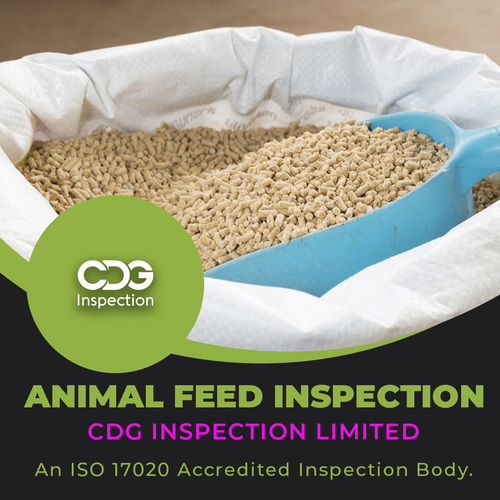
Animal Feed Inspection Services in Pune
Animal Feed Inspection Services in Pune Specification
- Location
- Pune
- Service Mode
- Offline
- Coverage Areas
- Raw Materials, Processed Feed, Packaging
- Certification Assistance
- Provided if required
- Expert Team
- Qualified Inspectors and Analysts
- Inspection Frequency
- As per Requirement
- Payment Mode
- Offline/Online
- Report Format
- Detailed Inspection Report
- Service Type
- Animal Feed Inspection Services
- Quality Standards
- ISO, BIS, FSSAI
- Industry Served
- Animal Feed Production
- Booking Process
- Online/Offline Available
- Turnaround Time
- Fast and Timely Service
- Inspection Method
- Visual/Physical/Chemical
- Duration
- Project Based
- Confidentiality
- Maintained
Animal Feed Inspection Services in Pune Trade Information
- Main Domestic Market
- All India
About Animal Feed Inspection Services in Pune
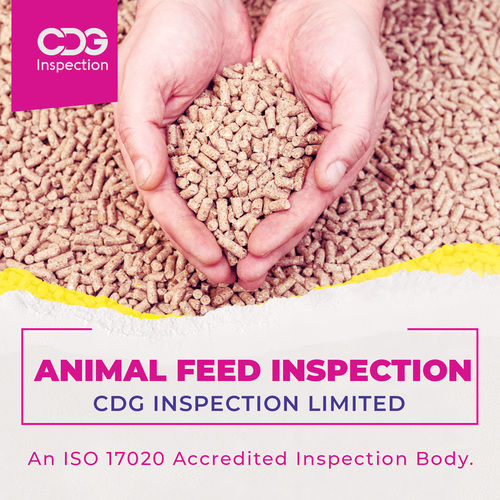
CIL Provides Accredited Animal Feed Inspection Services in Pune, Maharashtra, Food is deemed to be unsafe if it has an adverse effect on human health or it would make the food derived from food producing animals unsafe for human consumption. Animal feed plays a critical role in the production of safe and nutritious food. There are several considerations that enhance quality and effective decision making in the feed and food production chain(s). Feed sampling and analyses are essential parts of the processes to ensure that feedstuffs and the resultant food animals meet all necessary standards. The reliability and quality of the analysis depends on the accuracy of sampling. Therefore adequate care must be taken to ensure that the analytes are handled in a way that will prevent degradation and errors. Where a feed which has been identified as not satisfying the feed safety requirement is part of a batch, lot or consignment of feed of the same class or description, it shall be presumed that all of the feed in that batch, lot or consignment is so affected, unless following a detailed assessment there is no evidence that the rest of the batch, lot or consignment fails to satisfy the feed safety requirement. This is an important point if you get an adverse sample result when sampling. Finished Feed Quality, In many situations, feeds are used rapidly following manufacture and animals consume the feeds before any assays can be performed. However, finished feed assays are necessary and important because they provide the mill with a final report card on how well quality was controlled. How much finished feed sampling and analysis should be done, While the answer to that question will depend on numerous factors, a general rule of thumb is to collect one sample of each formula per week or one sample per 100 tons of production, whichever is greater. When a problem is discovered, it should be addressed and resolved as soon as possible. The steps outlined below are one method of addressing finished feed problems, Is the assay correct, Ask the lab to recheck the assay and continue to examine the problem. How was the sample taken, Was the sample representative, You may want to resample it if the material is still available. Is only one nutrient level out of control or are several, This could be clue as to whether a certain ingredient was left out of the formula. Was the regular crew operating the mill when the feed was produced, Check inventory records for any discrepancies between the actual and predicted inventory records. Check the scales and metering devices for correct adjustment. Check ingredient and finished feed bins at the feed mill for hang ups or bridging problems. Recheck the mixing time to be certain it is correct for the ration involved. Check the ingredient as say values to see if they indicate a deficient load was received. If a deficient load was received, contact you ingredient supplier immediately. Check the formula matrix to be certain that ingredient assay values are correct and reflect the values presently being received. After going through these 10steps, it is possible that you may still not know what caused the problem. While this is frustrating, your efforts have not been in vain. Laboratory personnel, the mill crew, the office staff, the nutritionist and several other persons have all become aware of your companies dedication to the production of high quality feeds. If problems are consistently addressed as they occur, the mental image of dedication to quality will become fixed in the minds of the people involved and this image can only work for your good.Comprehensive Feed Quality Assurance
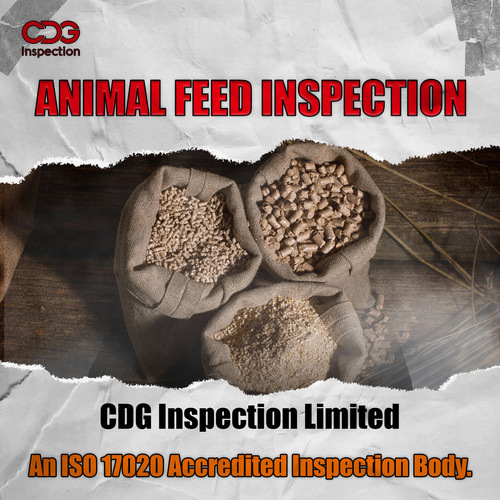
Ensuring safe and high-quality animal feed is our primary goal. Our inspection services encompass initial raw material checks, thorough assessment of processed feed, and evaluations of packaging practices. Each aspect undergoes meticulous examination by our skilled inspectors to promote compliance and boost consumer confidence.
Expertise in Regulatory Standards
Our inspection process is aligned with industry benchmarks, including ISO, BIS, and FSSAI regulations. The team comprises experienced analysts and inspectors who guide clients through certification requirements and ensure all processed feeds adhere to statutory quality demands.
Flexible and Confidential Service
Understanding the dynamic needs of animal feed producers, we offer inspections on a project-basis, with scheduling flexibility. Whether the requirement is for routine or specific checks, our services are conducted with complete confidentiality and timely reporting, maximizing trust and convenience for every client.
FAQ's of Animal Feed Inspection Services in Pune:
Q: How can I book animal feed inspection services in Pune?
A: You can schedule our inspection services either online through our website or by contacting us offline. Both modes are convenient, and our team will guide you through the process and arrange a suitable time for your project-based inspection.Q: What types of inspections do you offer for animal feed producers?
A: Our services include visual, physical, and chemical inspections covering raw materials, processed feed, and packaging. Each assessment is carried out by qualified inspectors and analysts to ensure compliance and quality at every stage.Q: When is the inspection report provided after the service?
A: We prioritize quick turnaround, so detailed inspection reports are typically delivered promptly upon completion of the inspection, ensuring you receive timely insights to make important quality decisions.Q: Where do you conduct your animal feed inspection services?
A: Our inspection services are available throughout Pune, either at your facility or location of operations. We ensure on-site evaluations for thorough and accurate results.Q: What is included in the detailed inspection report?
A: The report outlines findings from visual, physical, and chemical assessments, compliance status with ISO, BIS, and FSSAI standards, and recommendations for improvement. If required, we also provide assistance with certification processes.Q: How does your service benefit animal feed producers?
A: Our inspections help minimize risks by identifying quality issues early, ensuring regulatory compliance, and boosting market credibility. Fast reporting and certification support enable quicker market readiness and consumer trust.Q: Is the confidentiality of my business operations maintained?
A: Absolutely. We uphold strict confidentiality protocols, ensuring all inspection findings and client information remain secure and private throughout the process.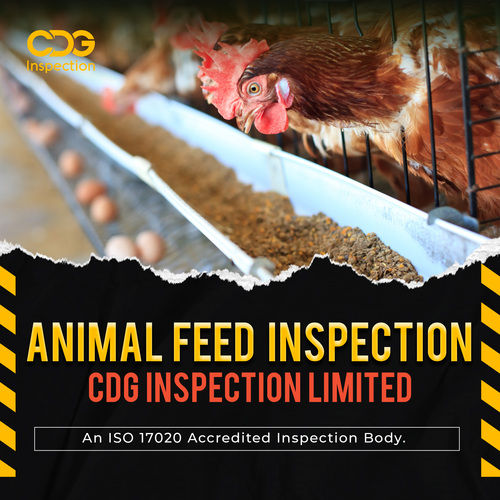
Tell us about your requirement

Price:
Quantity
Select Unit
- 50
- 100
- 200
- 250
- 500
- 1000+
Additional detail
Mobile number
Email


 Send Inquiry
Our Products
- Quality Inspection
- Compliance Audit
- BIFMA Testing
- Registration/CoC
- Fire Safety Audit
- Electrical Safety Audit
- Pre-Shipment Inspection
- Third Party Inspection
- C-TPAT Audit
- Ingress Protection (IP) Testing
- Food Grain Inspection
- Oil & Fats Inspection
- Raw & Refined Sugar Inspection
- Animal Feed Inspection
- Factory Compliance Audit
- Industrial Safety Audit
- Green Audit Services
- Garment Inspection Services
- Container Loading Supervision
- Workplace Safety Audit
- ISO 17712 Testing & Certification
- Social Compliance Audit
- Fire Door Inspection
- Mechanical Security Seal Inspection & Testing
- Impact Protection Rating
- Electrical Testing Services

Plot No.- 37, IMT Manesar, Gurugram - 122051, Haryana, India

Mr. A. K. B
(a)
Mobile :08071792069
 Send Inquiry
 Send SMS
Developed and Managed by Infocom Network Private Limited.


