
Call us now :08071792069
 Send Inquiry
 Send Inquiry
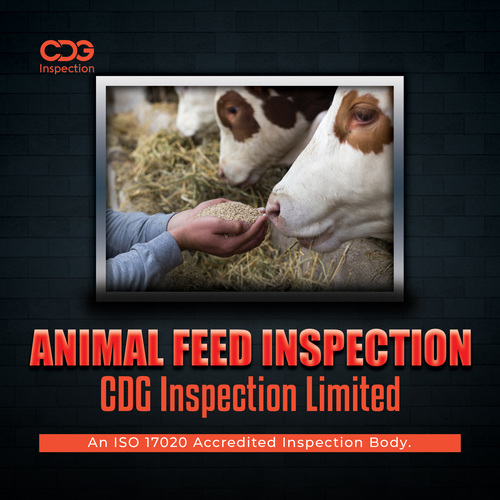
Animal Feed Inspection Services in Jaipur
Animal Feed Inspection Services in Jaipur Specification
- Sampling Technique
- Random and Systematic Sampling
- Customer Support
- 24/7 Assistance Available
- Documentation Support
- Digital & Hard Copy Documents Provided
- Turnaround Time
- Typically 2-5 Business Days
- Nan
- nan
- Inspection Standards
- FSSAI and BIS compliance
- Service Customization
- Customizable Inspection Packages
Animal Feed Inspection Services in Jaipur Trade Information
- Payment Terms
- Cheque
- Main Domestic Market
- All India
About Animal Feed Inspection Services in Jaipur
CIL Provides Accredited Animal Feed Inspection Services in Jaipur, Rajasthan, India.Methods of analysis in the feed industry, Types of analysesconducted by laboratory are proximate analyses, macro minerals, micro mineralsat trace level, chromatographic analyses (such as amino acids, fatty acids,etc.) and chromatographic analyses at trace level (contaminants such asaflatoxins, pesticides and pesticide residues, antibiotics, etc.). Severalstandard and laboratory methods have been developed over the years for thedetection of both nutrients and contaminants in feed ingredients andfeedstuffs. CDG classified the methods into official methods (required by lawand used by regulatory and complying organization), reference methods(developed by collaborating organizations for validation purposes), screeningor rapid methods (usually for large samples to determine whether furtheranalysis are required with more accurate methods), routine methods (can beofficial, standard or modified methods used for routine testing), automatedmethods (may be official or screening methods that adopts automated equipment),and modified methods (usually official or standard methods, which have beenmodified to make it simple and applicable to wide range of samples). Proximateanalyses, Characterization of feeds and feed ingredients for generalnutritional parameters are done using proximate analyses. The ability toconduct proximate analyses is the minimum requirement for laboratories. Proximateanalyses can be conducted in any basic nutrition laboratory while otheranalyses can be done in more complex laboratories. Analytical methods forproximate composition and some other feed components. Parameters,1. Dry matter,Part of the sample that remains after dying at 103 degree C, Crude ash, Part ofthe sample that remains after incineration at 550 degree C. Ash insoluble inacid (sand),Ash that remains after boiling in strong acid. Crude protein, Totalnitrogen content and to calculate the protein content by multiplying thenitrogen content by an appropriate conversion factor (usually 6.25). Kjeldahl method (Nitrogen is convertedinto ammonia which is absorbed in boric acid and titrated against a standardacid), Dumas method (With complete combustionof sample at 950 degree C in the presence of oxygen, nitrogen is converted to agaseous state and reduced to N2, followed by measurement in a thermalconductivity cell).Crude fat, Non polar extractable fraction of the sample. Theextraction can be performed with or without prior acid hydrolysis, both beingcomplementary methods. The laboratory should offer both options. Fibre analysis,Digestion of feed directly in the detergent solution and filtration usingcrucibles (official standard method). Digestion of sample whilst in a nylon bagand then washing the bag containing the digested sample to make it detergentfree. Starch, Starch can be measured by the classical Ewers method or with anenzymatic method. The enzymatic method can be used for all sample types and istherefore preferable. Gross energy, Gross energy represents the total energyvalue of the sample and is measured by bomb calorimeter. Minerals, Minerals aregenerally measured by spectrometric methods following incineration andhydrolysis. Amino acids (excluding tryptophan), The standard method for thedetermination of amino acids is based on the hydrolysis of protein to aminoacids using a strong acid with or without previous oxidation, followed bychromatographic separation and detection after derivatization. Amino acids(tryptophan), Determination of tryptophan is based on an alkaline hydrolysisfollowed by chromatographic. Separation, Fatty acids, The standard method forfatty acids is based on isolation and derivatization, followed by gaschromatographic separation. Vitamins, Determination of individual vitamins isbased on extraction, followed by clean up, concentration if needed, andchromatographic measurement. Reducing sugar Reducingsugars contain the most important sugars, including glucose, fructose andsucrose. Determination is based on the Luff Schoorl principle. Mycotoxins, Mycotoxinsare undesirable substances produced by fungi (moulds). These present apotential danger to animal and human health. The maximum levels are nationallyand internationally regulated. The different methods are based on extraction,purification, chromatographic separation and detection. Pesticides, Pesticidesare undesirable substances whose maximum levels are defined in national andinternational regulations. These regulations demand a low detection limit andpositive identification of the pesticides, which is achieved by using massspectrometric detection. The methods are based on extraction, purification,derivatization, chromatographic separation and identification.
Comprehensive Compliance Assurance
Our inspection services rigorously follow FSSAI and BIS standards, ensuring that animal feed meets all regulatory and quality benchmarks. With every inspection, clients receive clear documentation and peace of mind, making regulatory compliance stress-free and simple.
Efficient Sampling Methodologies
Using random and systematic sampling, our inspectors accurately analyse feed samples to ensure unbiased, reliable results. This approach guarantees your products safety, consistency, and suitability for animal consumption, upholding both legal and quality requirements.
FAQs of Animal Feed Inspection Services in Jaipur:
Q: How do you ensure compliance with FSSAI and BIS standards during inspections?
A: Our inspections strictly adhere to FSSAI and BIS standards by meticulously following prescribed sampling protocols and documentation requirements, guaranteeing your animal feed aligns with statutory quality and safety norms.Q: What sampling techniques are used in animal feed inspections?
A: We employ both random and systematic sampling methods, ensuring representative and unbiased analysis of animal feed batches to deliver accurate and robust inspection results.Q: When can I expect to receive my inspection report?
A: You will typically receive your comprehensive inspection report, including both digital and hard copy formats, within 2 to 5 business days after sampling and analysis.Q: Where are your animal feed inspection services available in India?
A: Our services are available in Jaipur and can be extended across different regions in India as per client requirements, making our support accessible wherever you need it.Q: What is the process for arranging an animal feed inspection?
A: Simply contact our 24/7 customer support team to discuss your requirements. Well guide you through package customization, schedule sampling, conduct the inspection, and provide detailed reporting.Q: How does the documentation support benefit my business?
A: We supply both digital and hard copy reports, ensuring easy record-keeping and facilitating regulatory audits, which ultimately helps streamline your compliance processes.Q: What customization options are available for inspection packages?
A: Inspection packages can be tailored based on feed type, volume, specific compliance needs, and reporting preferences, providing flexible solutions that meet your unique requirements.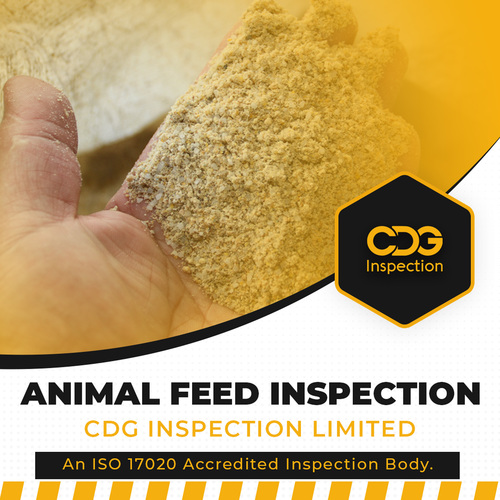
Tell us about your requirement

Price:
Quantity
Select Unit
- 50
- 100
- 200
- 250
- 500
- 1000+
Additional detail
Mobile number
Email


 Send Inquiry
Our Products
- Quality Inspection
- Compliance Audit
- BIFMA Testing
- Registration/CoC
- Fire Safety Audit
- Electrical Safety Audit
- Pre-Shipment Inspection
- Third Party Inspection
- C-TPAT Audit
- Ingress Protection (IP) Testing
- Food Grain Inspection
- Oil & Fats Inspection
- Raw & Refined Sugar Inspection
- Animal Feed Inspection
- Factory Compliance Audit
- Industrial Safety Audit
- Green Audit Services
- Garment Inspection Services
- Container Loading Supervision
- Workplace Safety Audit
- ISO 17712 Testing & Certification
- Social Compliance Audit
- Fire Door Inspection
- Mechanical Security Seal Inspection & Testing
- Impact Protection Rating
- Electrical Testing Services

Plot No.- 37, IMT Manesar, Gurugram - 122051, Haryana, India

Mr. A. K. B
(a)
Mobile :08071792069
 Send Inquiry
 Send SMS
Developed and Managed by Infocom Network Private Limited.


