
Call us now :08071792069
 Send Inquiry
 Send Inquiry
Food Grain Inspection In Delhi
Food Grain Inspection In Delhi Specification
- Inspection Frequency
- Periodic or On-demand
- Place of Service
- Client Site
- Certification Provided
- Yes
- Duration
- As Required
- Equipment Used
- Moisture Meters, Sieves, Microscopes
- Reporting Method
- Detailed Analytical Report
- Accreditation
- FSSAI and NABL Standards
- Service Mode
- Offline
- Service Location/City
- Delhi
- Industry/Application
- Food Industry, Grain Suppliers
- Service Type
- Food Grain Inspection
- Technician Qualification
- Trained Food Inspectors
- Type of Grains Covered
- Wheat, Rice, Pulses, Maize, and others
- Inspection Parameters
- Moisture Content, Pest Infestation, Foreign Matter, Purity, Quality Grade
- Inspection Method
- Physical and Laboratory Analysis
Food Grain Inspection In Delhi Trade Information
- Main Domestic Market
- All India
About Food Grain Inspection In Delhi
CIL Provides Accredited Food Grain Inspection Services inDelhi. Wheat, rice, corn, oats, soybeans, and a variety or other harvestedgrain products are stored in elevators pending delivery to a food processing plant.Elevator storage should maintain these grains in a condition suitable forprocessing into human foods and animal feeds. This inspectional method isintended to evaluate the storage conditions of these grains to determine ifthey are adulterated with filth, chemicals and or other contaminants.Specialized equipment necessary will include non sparking grain probes, andgrain bombs, dockage sieves, grain cloth, safety flashlights, photographyequipment with high speed film (for use without flash equipment), black light,and hardhat. Inspect all wheat and other human food grains found in elevatorsand storage warehouses, including grain under government loan programs, andgrain intended for export. Where violative conditions are found, document andreport in detail, including the origin, destination, and ownership of the grainand responsibility for the violations. SAFETY PRECAUTIONS, Never enter aboxcar, truck, barge, bin or flat storage facility (bulk warehouse storage)until you have assured it is safe, and a second Investigator is standing by torender assistance. Always make sure the plant management is aware of yourlocation and inspection plan. Sampling railcars, whether in a rail yard or at afirm, should always be conducted with another Investigator. Since multipleprobes are usually necessary, a second Investigator on the ground outside therailcar facilitates packaging the sample from each separate probe. Grain in aboxcar, barge or truck is usually compacted, and using a grain probe can becomequite strenuous. In hot weather, this can lead to dehydration and exhaustion.Also, there is the danger of an engine hooking onto the railcars, causing thegrain car door to shut, trapping you inside. If you are in the process ofprobing, this shock can also cause injury from the probe itself, or throw youagainst the railcar walls, or out of the railcar altogether. Become familiarwith hazards and safety precautions before beginning any elevator inspections.SeeI OM 140 for detailed discussion of necessary safety precautions. Wear ahardhat, (non sparking, plastic, fiberglass, etc.). Be sure man lifts are inproper working order before using, and follow the firm's rules on their use.Operate with caution. Elevator storage facilities present a special hazard dueto dust formation. Dust in combination with humidity creates an explosiveatmosphere which may be triggered by sparks, arcing of photograph flash bulbs,ordinary flashlight operation, or any type of activity which produces sparks.In this type situation be extremely careful not to use spark producingequipment, such as non safety flashlights and flash photography. Movecarefully; striking of the nails in shoes on metal, scraping of a metal hardhator metal equipment against a metal surface may also produce sparks. Wear rubbercoverings (not plastic which may create static electricity) over shoes asnecessary to prevent sparks from shoe nails. The use of mold inhibitors instored grains may pose a hazard to persons working in and around grain storageareas. The most often used chemicals are propionic acid, propionic and aceticacid mixtures, isobutyric acid, and ammonium isobuty rate.
Comprehensive Inspection Process
We follow a structured process that begins with sample collection at your location in Delhi, followed by meticulous physical and laboratory evaluations. Our trained inspectors assess your grains against parameters such as moisture, purity, and quality grade. Armed with specialized equipment, we guarantee accuracy and consistency in every inspection.
Certified and Accredited Service
Every inspection aligns with FSSAI and NABL standards, ensuring compliance with industry regulations. Upon completion, clients receive an official certificate and a thorough analytical report, providing transparency and trust for both suppliers and their clientele.
FAQ's of Food Grain Inspection In Delhi:
Q: How is the food grain inspection conducted in Delhi?
A: Grain inspections are performed at your location by our trained food inspectors, using advanced equipment for both physical assessment and laboratory analysis. Parameters like moisture content, pest infestation, and purity levels are measured following accredited standards.Q: What types of grains can be inspected through this service?
A: We cover a variety of grains including wheat, rice, pulses, maize, and several others, ensuring thorough quality checks across multiple food grain categories.Q: When should periodic or on-demand inspections be scheduled?
A: Periodic inspections are generally recommended based on storage or supply cycles, while on-demand inspections can be arranged anytime there is a specific need or before major supply transactions for added assurance.Q: Where does the food grain inspection take place?
A: Our offline inspection services are conducted directly at the client's site anywhere within Delhi, minimizing the need for grain transportation and saving valuable time.Q: What certifications and reports will I receive?
A: After each inspection, you will obtain a certification compliant with FSSAI and NABL standards, along with a detailed analytical report outlining the quality and condition of your grains.Q: How do I benefit from having my grains inspected?
A: Using our service ensures product safety and regulatory compliance, supports your brand's reputation, and helps prevent supply rejections or quality disputes with buyers and regulatory agencies.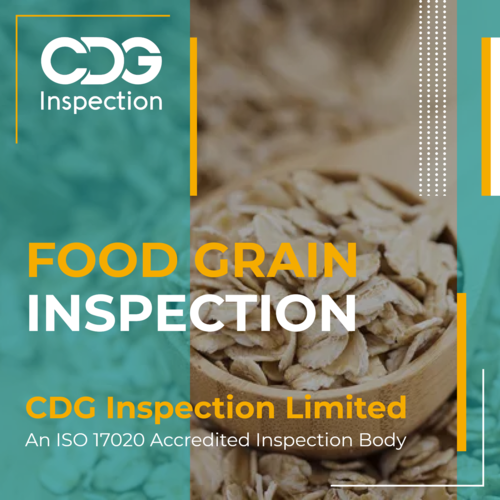
Tell us about your requirement

Price:
Quantity
Select Unit
- 50
- 100
- 200
- 250
- 500
- 1000+
Additional detail
Mobile number
Email

More Products in Food Grain Inspection Category

 Send Inquiry
Our Products
- Quality Inspection
- Compliance Audit
- BIFMA Testing
- Registration/CoC
- Fire Safety Audit
- Electrical Safety Audit
- Pre-Shipment Inspection
- Third Party Inspection
- C-TPAT Audit
- Ingress Protection (IP) Testing
- Food Grain Inspection
- Oil & Fats Inspection
- Raw & Refined Sugar Inspection
- Animal Feed Inspection
- Factory Compliance Audit
- Industrial Safety Audit
- Green Audit Services
- Garment Inspection Services
- Container Loading Supervision
- Workplace Safety Audit
- ISO 17712 Testing & Certification
- Social Compliance Audit
- Fire Door Inspection
- Mechanical Security Seal Inspection & Testing
- Impact Protection Rating
- Electrical Testing Services

Plot No.- 37, IMT Manesar, Gurugram - 122051, Haryana, India

Mr. A. K. B
(a)
Mobile :08071792069
 Send Inquiry
 Send SMS
Developed and Managed by Infocom Network Private Limited.


