
Call us now :08071792069
 Send Inquiry
 Send Inquiry
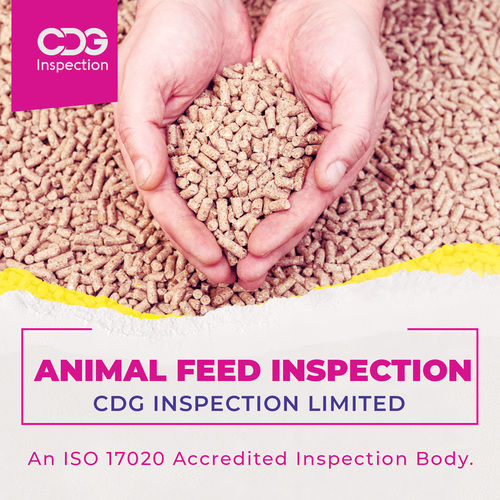
Animal Feed Inspection Services in Panipat
Animal Feed Inspection Services in Panipat Specification
- Frequency
- Single or Multiple Inspections as required
- Safety Protocols
- Strict Adherence to Safety and Hygiene Norms
- Customer Support
- 24/7 Assistance Available
- Standard Followed
- FSSAI, BIS, International Feed Standards
- Sample Collection
- On-site Sample Collection Facility
- Placeholder
- nan
- Expertise
- Certified Inspectors with expertise in Animal Feed Standards
- Consultation
- Pre-Inspection Consultation Provided
- Analysis Includes
- Microbiological, Chemical, Physical Assessment
- Service Availability
- Throughout Panipat & Surrounding Areas
- Booking Method
- Online/Offline Requests accepted
Animal Feed Inspection Services in Panipat Trade Information
- Main Domestic Market
- All India
About Animal Feed Inspection Services in Panipat
CIL Provides Accredited Animal Feed Inspection Services in Panipat, Haryana, India. Some aspects of and considerations in feed sampling. The accuracy and reliability of the results of any analysis in the feed industry begins with the quality of sampling. An analysis can be said to be as good as its sampling because several challenges that can affect accuracy and reliability of the results are associated with sampling of the feeds and feed materials. It is, therefore, critical to ensure sampling of feed ingredients and feeds is done in an area and in a way that makes the procedures easy, minimize the risk of contamination and cross contamination, makes proper performance of the laboratory analysis possible, and ensures all safety and health precautions for the sampler and the environment. Types of samples, Pierce identified various types of samples depending on their purposes and uses as follows, check sample, composite sample, discrete sample, duplicate sample, official sample, purchasing sample, referee sample, reference sample, retained sample, standard sample, and working sample. Sampling errors may be due to the heterogeneity of the inspected characteristics, the random nature of sampling, and the known and acceptable characteristics of the sampling plan. Some of the measures to be taken to minimize sampling errors in the feed industry include, Sampling procedures should be based on the objectives, standards, or purposes of the analysis. Simple random sampling, stratified random sampling, and systematic sampling are examples of common sampling schemes used in the feed industry. Use appropriate sampling equipment that will not introduce contamination. For example, do not use lead containing materials to collect samples meant for lead analysis. Examples of sampling equipment include grain probes (slotted grain probes, open handled grain probes, open handled spiral probe), pelican grain sampler, tapered bag triers, double tube bag triers, single tube, open ended bag triers, bomb or zone sampler. Collect representative samples. If the samples collected are not representative of the whole, the results of the analysis become skewed. To collect a representative sample, the sampling scheme must be followed, adequate quantity of sample must be collected, and sampling equipment and procedure must be appropriate, required inspection of sample, among other things. Use the right quantity of materials and avoid splashing of samples during collection and analysis. Several errors can be associated with the splitting of samples, if not done carefully. Use standard reference materials. Repeat analysis. Validate laboratory methodologies and use standard methods. Use well trained and knowledgeable personnel. Observe sampling precautions required for the methods of analysis. Use the appropriate sampling plans. Sampling plan is a planned procedure that enables the choice of separate samples from a lot, for the purpose of getting the needed information, such as a decision on compliance status of a lot. It is also a scheme that defines the number of items to collect and the number of non conforming items required in a sample to evaluate the compliance status of a lot. Thus, without an appropriate sampling plan, it may be practically impossible to accurately decide the compliance status of a particular lot of a product. Codex guideline for sampling recommends seven important considerations in selecting appropriate sampling plans in compliance with relevant standards in the feed industry, (i) existence (or not) of international reference document on sampling of the products under consideration, (ii) nature of control (individual or whole lot), (iii) nature of the characteristic to control (qualitative or quantitative characteristics), (iv) choice of the quality level, limiting quality or acceptance quality level, in line with principles laid down in Codex Manual of procedures and the type of risk, (v) nature of the lot, that is bulk or pre packed products, size, homogeneity and distribution concerning the characteristics of control, (vi) composition of sample, that is those composed of single or more than one sampling unit, (vii) choice of the type of sampling plan.
Comprehensive Feed Quality Analysis
Our inspection covers crucial parameters, including microbiological, chemical, and physical assessment, ensuring each feed batch meets regulatory and nutritional standards. Our methodologies align with FSSAI, BIS, and international benchmarks for reliable results.
Expert Inspections for Every Need
Leverage the proficiency of our certified inspectors, skilled in animal feed regulations and standards. Whether you require a single inspection or routine checks, our team ensures accurate, documented assessments tailored to your operational needs.
Easy Booking & Responsive Support
Booking our inspection services is simple and flexiblesubmit a request either online or offline. Benefit from dedicated 24/7 customer support, pre-inspection consultations, and prompt assistance for all your queries and inspection requirements in Panipat.
FAQs of Animal Feed Inspection Services in Panipat:
Q: How are animal feed inspections conducted by your team in Panipat?
A: Our certified inspectors follow a structured process: they begin with on-site sample collection, perform microbiological, chemical, and physical assessments in line with FSSAI, BIS, and international feed standards, and provide a detailed report outlining findings and recommendations.Q: What types of analyses are included in the feed inspection service?
A: The service includes comprehensive microbiological, chemical, and physical evaluations, ensuring that animal feed is free from contaminants and meets all nutritional and safety requirements.Q: When can I schedule an inspection, and is repeat service available?
A: Inspections can be scheduled at your convenience, with options for both one-time and recurring services. We accommodate your operational timelines and can arrange single or multiple visits as needed.Q: Where do you provide your animal feed inspection services?
A: We offer our inspection services throughout Panipat and neighboring areas, bringing reliable quality checks directly to your location with our on-site sample collection facility.Q: What is the process for booking an inspection and consultation?
A: You can book an inspection by submitting your request online or offline. A pre-inspection consultation will be scheduled to discuss your requirements and inspection scope before our team visits your site.Q: How does your service ensure safety and compliance during the inspection?
A: Our team strictly adheres to safety and hygiene protocols throughout the inspection process, complying with established standards to safeguard your feed and operational environment.Q: What are the main benefits of using your animal feed inspection service?
A: Clients enjoy peace of mind through expert analysis, convenience with on-site sampling, timely support, flexible booking, and comprehensive compliance with Indian and international feed safety standards.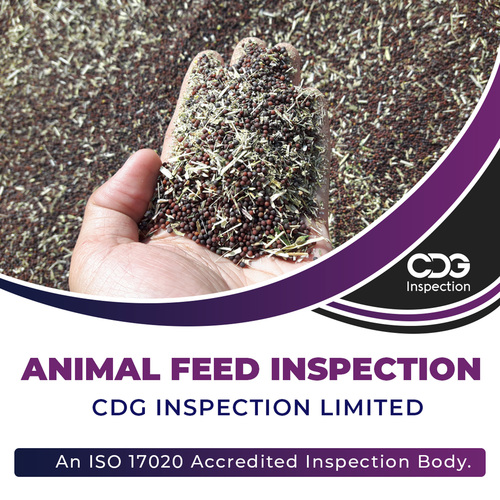
Tell us about your requirement

Price:
Quantity
Select Unit
- 50
- 100
- 200
- 250
- 500
- 1000+
Additional detail
Mobile number
Email


 Send Inquiry
Our Products
- Quality Inspection
- Compliance Audit
- BIFMA Testing
- Registration/CoC
- Fire Safety Audit
- Electrical Safety Audit
- Pre-Shipment Inspection
- Third Party Inspection
- C-TPAT Audit
- Ingress Protection (IP) Testing
- Food Grain Inspection
- Oil & Fats Inspection
- Raw & Refined Sugar Inspection
- Animal Feed Inspection
- Factory Compliance Audit
- Industrial Safety Audit
- Green Audit Services
- Garment Inspection Services
- Container Loading Supervision
- Workplace Safety Audit
- ISO 17712 Testing & Certification
- Social Compliance Audit
- Fire Door Inspection
- Mechanical Security Seal Inspection & Testing
- Impact Protection Rating
- Electrical Testing Services

Plot No.- 37, IMT Manesar, Gurugram - 122051, Haryana, India

Mr. A. K. B
(a)
Mobile :08071792069
 Send Inquiry
 Send SMS
Developed and Managed by Infocom Network Private Limited.


