
Call us now :08071792069
 Send Inquiry
 Send Inquiry
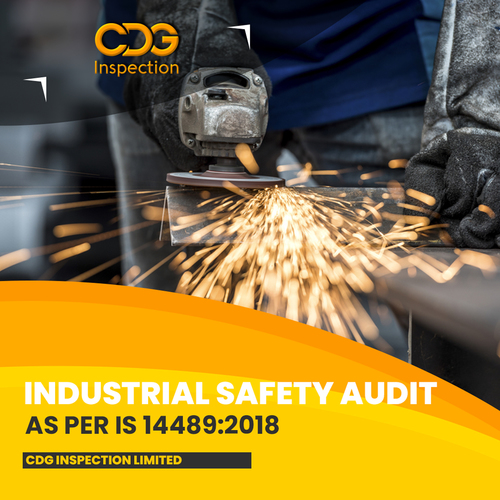
Industrial Safety Audit In Gurgaon
Industrial Safety Audit In Gurgaon Specification
- Emergency Preparedness Review
- Included
- Audit Coverage
- Process Safety, Fire Safety, Electrical Safety, Chemical Handling
- Data Collection Tools
- Modern Inspection Devices & Checklists
- Post-Audit Support
- Provided
- Reporting Time
- Within 7 Working Days
- Customizable Audit Scope
- Available
- Mode Of Report
- Physical Copy & Email
- Expert Team
- Certified Safety Auditors
- Industry Served
- Manufacturing, Chemical, Engineering, Pharmaceuticals
- Audit Method
- Onsite Inspection
- Service Location
- Gurgaon
- Languages Supported
- English, Hindi
- Documentation Support
- Yes
- Audit Type
- Industrial Safety Audit
- Audit Frequency
- Annual / As per Requirement
- Third Party Certification Assistance
- Available
- Compliance Standards
- OSHA, IS Standards
- Corrective Action Plan
- Detailed Recommendations
- Follow-up Visit
- Available on Request
- Client Confidentiality
- Maintained
- Risk Assessment
- Detailed Hazard Analysis Provided
- Safety Training Included
- Optional as per Client Request
Industrial Safety Audit In Gurgaon Trade Information
- Main Domestic Market
- All India
About Industrial Safety Audit In Gurgaon
CIL provides industrial safety audit in Gurgaon. We are an ISO 17020 accredited inspection body. According to the Occupational Safety and Health Administration (OSHA), the agency audited over 39,000 organizations in one year, with over 17,000 of those inspections labeled as programmed, meaning unexpected safety auditing. Safety audits are about accountability. Safety audits are intended to assure that effective program elements are in place for identifying, eliminating, or controlling hazards that could adversely impact a companies physical and human assets. Conducted properly, this type of audit will help reduce injury and illness rates, lower workers compensation and other business costs, empower employees by involving them in activities affecting their own safety and health, increase job satisfaction, and make the company more competitive. Although the Occupational Safety and Health Administration (OSHA) does not require it, a voluntary safety audit program is a sound business practice that demonstrates a companies interest in and commitment to continuous improvement of its health and safety effort. The objectives of a safety audit should be to maintain a safe place of work through hazard recognition and removal, to verify employees are following the most effective safety procedures, to make certain the facility, equipment, and operations meet the required local, state, and federal, health, and safety requirements and best industry business practices to produce a safe place of work. In addition, safety audits assure that necessary administrative records supporting the required health, safety, and medical activities are maintained. Formal Safety Audits, Should be conducted on a regularly scheduled basis, Demonstrate the company has made a commitment to safety and is monitoring and enforcing its established Safety Policy and procedures, Should be an official part of the companies health and safety program, Should involve employees, supervisors, middle and upper level operating management, and health and safety professionals, Establish a schedule of safety audits for each workplace and work process. The best time to conduct a safety audit is during a time when operations and work practices can be observed as they are normally conducted and when there will be the least number of distractions to the normal work procedures. To conduct a thorough audit of a job or area, it is best to use a checklist. There are many different types of audit checklists with the number of items on the list varying from only a few to hundreds depending on the complexity of the audit. Each type of checklist has its specific purpose. How often audits are conducted depends on the potential for property damage, personal injury, or catastrophic events, and how quickly conditions that could present a hazard can develop. Additional conditions to consider are past records of equipment failures, accidents, near accidents and injuries, and whether regular audits are required due to requirements external to the company. The greater the potential severity or consequences of an unwanted occurrence, the more frequently audits should be made. In addition to a job safety analysis form, a detailed checklist should be used that reflects regulations as well as best business practices and consensus standards applicable to health and safety requirements specific to the companys operations and exposures. Examples of checklist items might include, Machinery and tools, Equipment, processes, and raw materials, Materials handling and storage, Hand and portable power tools, Vehicle fleets, Organization and administrative procedures, Walking and working surfaces, Housekeeping practice, Fire protection and life safety, Emergency response procedures, Radiation, hazardous chemicals, and hazard communication program, Electrical hazards, Lock out and tag out, Hazard signage, Personal protective equipment, Elevators, Hoists and slings, Recording Hazards. Give the location and description of each hazard identified, Give sufficient detail so that the hazard can be located by those responsible for carrying out the specified corrective action. Identify machines and operations by their correct names, Describe the locations by name or number and give details about the hazards identified.Comprehensive Audit Coverage
Our audit encompasses critical safety domains such as process safety, fire safety, electrical systems, chemical management, and emergency preparedness. Using advanced inspection devices and structured checklists, the audit thoroughly evaluates your facility's compliance and risk areas, supporting robust workplace safety.
Detailed Corrective Action Plan
Post-inspection, clients receive a physical and emailed report within seven working days. This report outlines clear, customized corrective actions and practical recommendations, assisting organizations in effectively addressing and prioritizing risks.
Customizable & Confidential Service
Audit scope and frequency can be tailored to client needs, including optional safety trainings and follow-up visits. All findings and client data remain strictly confidential. Third-party certification assistance is also available, supporting organizational safety goals and regulatory compliance.
FAQ's of Industrial Safety Audit In Gurgaon:
Q: How is the industrial safety audit process conducted in Gurgaon?
A: The audit is carried out onsite by certified safety auditors using advanced inspection devices and checklists. It includes a thorough assessment of process, fire, electrical safety, and chemical handling, along with an emergency preparedness review. Auditors collect data, analyze hazards, and provide both physical and digital reports within seven working days.Q: What areas does the audit cover and can the scope be customized?
A: The audit covers process safety, fire safety, electrical systems, chemical management, and emergency preparedness. The scope can be adjusted to suit client requirements, with industry-specific focus for manufacturing, chemical, engineering, and pharmaceutical businesses in Gurgaon.Q: What are the benefits of including safety training with the audit service?
A: Optional safety training helps reinforce audit recommendations, increases employee awareness, and supports compliance with OSHA and IS standards. Training programs can be tailored by request to target specific workplace risks identified during the audit.Q: When and how do clients receive audit reports and recommendations?
A: Clients receive the detailed audit report-including a corrective action plan and hazard analysis-within seven working days after the onsite inspection. Reports are provided in both physical copy and by email, available in English or Hindi for client convenience.Q: Does the service provide ongoing support after the audit?
A: Yes, post-audit support is offered to help implement corrective actions. Follow-up visits and third-party certification assistance are also available upon request, ensuring sustainable compliance and continuous safety improvement.Q: How is client confidentiality managed during the audit?
A: All client information, assessment data, and findings are strictly confidential. Reports and results are securely handled to protect your business interests at every stage of the audit process.
Tell us about your requirement

Price:
Quantity
Select Unit
- 50
- 100
- 200
- 250
- 500
- 1000+
Additional detail
Mobile number
Email

More Products in Industrial Safety Audit Category

 Send Inquiry
Our Products
- Quality Inspection
- Compliance Audit
- BIFMA Testing
- Registration/CoC
- Fire Safety Audit
- Electrical Safety Audit
- Pre-Shipment Inspection
- Third Party Inspection
- C-TPAT Audit
- Ingress Protection (IP) Testing
- Food Grain Inspection
- Oil & Fats Inspection
- Raw & Refined Sugar Inspection
- Animal Feed Inspection
- Factory Compliance Audit
- Industrial Safety Audit
- Green Audit Services
- Garment Inspection Services
- Container Loading Supervision
- Workplace Safety Audit
- ISO 17712 Testing & Certification
- Social Compliance Audit
- Fire Door Inspection
- Mechanical Security Seal Inspection & Testing
- Impact Protection Rating
- Electrical Testing Services

Plot No.- 37, IMT Manesar, Gurugram - 122051, Haryana, India

Mr. A. K. B
(a)
Mobile :08071792069
 Send Inquiry
 Send SMS
Developed and Managed by Infocom Network Private Limited.


