
Call us now :08071792069
 Send Inquiry
 Send Inquiry
ANSI/BIFMA X5.6 Testing For Panel Systems
ANSI/BIFMA X5.6 Testing For Panel Systems Specification
- Panel Height Range Tested
- Up to 72 inches
- Custom Test Program
- Available on Request
- Testing Location
- Onsite or Accredited Lab Facility
- Sample Requirements
- Panel System Sections as per Standard
- Lab Accreditation
- ISO/IEC 17025:2017
- Test Report Provided
- Yes (Detailed Test Results & Observations)
- Support Services
- Technical Guidance & Failure Analysis
- Lead Time for Testing
- 5-7 Working Days
- Test Repeatability
- Multiple Cycles as Per BIFMA Procedure
- Panel Connection Verification
- Evaluated for Inter-panel & Floor Interface Strength
ANSI/BIFMA X5.6 Testing For Panel Systems Trade Information
- Main Domestic Market
- All India
About ANSI/BIFMA X5.6 Testing For Panel Systems
CIL Provides ANSI/BIFMA X5.6 Testing For Panel Systems. This standard is intended to provide a common basis for evaluating the safety, durability, and structural performance of panel systems products, such as panels, screens, panel supported systems, access doors and various hang on components used in conjunction with panel systems products. Building wall mounted components are not covered by this standard, they are covered by the ANSI BIFMA X5.9 Standard for Office Furniture Storage Units Tests. Where a product may be covered by more than one ANSI BIFMA standard, the manufacturer shall determine which standard provides most appropriate test conditions. Where a product is intended for use outside of the commercial office and related institutional environments, it is the responsibility of the user of this standard to determine if it is suitable for use in such evaluations.
This standard specifies acceptance levels to help ensure reasonable safety and performance independent of construction materials, manufacturing processes, mechanical designs, or aesthetic designs. The acceptance levels herein are based on the actual field and test experience of BIFMA members.
This standard also provides recommendations for acoustical performance of panel systems products, and an Informative Annex that addresses considerations for Full height Relocatable Wall products. The standard defines tests used to determine the acceptability of the product and specifies the acceptance levels of performance. These tests are not intended to assess a product that has been in use.
The tests were developed with an estimated product life often years based on a single shift usage. Product life will be affected byproduct use, care and maintenance, environment, and other factors. Product compliance to this standard does not necessarily guarantee a ten year product life. Products may perform longer than ten years with appropriate use and care. ANSI BIFMA X5.6 Panel Systems Tests was released in January 2016. This standard provides a level plain field for evaluating the safety, durability and mechanical resistance of panel systems used in office environments. This standard specifies acceptance levels to help ensure reasonable safety and performance of panel systems with an estimated product life of ten years based on a single shift usage.
If your panel system shares components such as doors and drawers and that these products were tested to any of these Bifma standards, you might be able to use these tests and avoid having to redo them again. Should this be the case, please let us know, our experts will take this into consideration while preparing your test plan.
The types of tests to be employed to test to BIFMA X 5.6are:
Panel Stability
Static load loading
Dynamic loading
Durability testing
Component Dislodgment
BIFMA standards get revised approximately every 5 years per ANSI requirements. The revision process has recently been completed and BIFMA has published the 2016 version in replacement to the previous 2010. Our experts sit on the committee doing this review. Should you be interested in finding out what the issues are and what is happening with this standard, you can go to our resources section which is often updated.
Product details
| Certificate | Test Certificate |
| Service Location | India |
| Mode of Report | Soft Copy |
| Type of Industry | Furniture |
| Type of Certification | New Certification |
| Services offered | Audit |
| Document verification Mode | Online |
| Target Location | Pan India |
| Certifications Provided | BIFMA |
Comprehensive Testing Solutions for Panel Systems
Our expertise ensures your panel systems meet ANSI/BIFMA X5.6 requirements up to 72 inches in height. Through detailed assessments of connection strength and repeated durability cycles, we help guarantee compliance and enhance product reliability in office environments. Clients receive thorough documentation and professional guidance to support certification needs.
In-Depth Reporting and Analysis
Every test concludes with a detailed report, including observations, measurements, and recommendations. Our ISO/IEC 17025:2017 accreditation ensures accuracy and confidence in our findings. For clients facing challenges, we offer technical assistance and in-depth failure analysis to help refine panel designs.
FAQs of ANSI/BIFMA X5.6 Testing For Panel Systems:
Q: How are panel systems evaluated during ANSI/BIFMA X5.6 testing?
A: Panel systems are rigorously assessed for safety, durability, and mechanical strength in accordance with BIFMA X5.6, including multiple cycles for each test. The process checks both inter-panel and floor connection robustness.Q: What is required to submit my panel system for testing?
A: We require panel system sections as specified in the ANSI/BIFMA standard. Our team will provide guidance to ensure samples meet all necessary requirements for accurate and effective testing.Q: When can I expect to receive my test report?
A: Test reports are typically provided within 57 working days after receiving your samples and completing all testing procedures.Q: Where does the ANSI/BIFMA X5.6 testing take place?
A: Testing can be conducted either at our ISO/IEC 17025:2017 accredited laboratory facility or onsite at your location in India, offering flexibility based on your needs.Q: What is the process for verifying panel connection and floor interface strength?
A: Our procedures evaluate the integrity and load-bearing capacity of both the panel connections and the floor interface, complying with BIFMA requirements and documenting results in the test report.Q: How does the repeated cycle testing benefit my panel system?
A: Multiple cycles simulate long-term use to ensure your panel system maintains its strength and stability over time, helping you meet industry standards and customer expectations.Q: Is technical guidance or custom testing available for unique products?
A: Yes, we offer technical support, failure analysis, and custom test programs tailored to your products specific requirements. Our experts are available to assist at any stage of the process.
Tell us about your requirement

Price:
Quantity
Select Unit
- 50
- 100
- 200
- 250
- 500
- 1000+
Additional detail
Mobile number
Email

More Products in BIFMA Testing Category
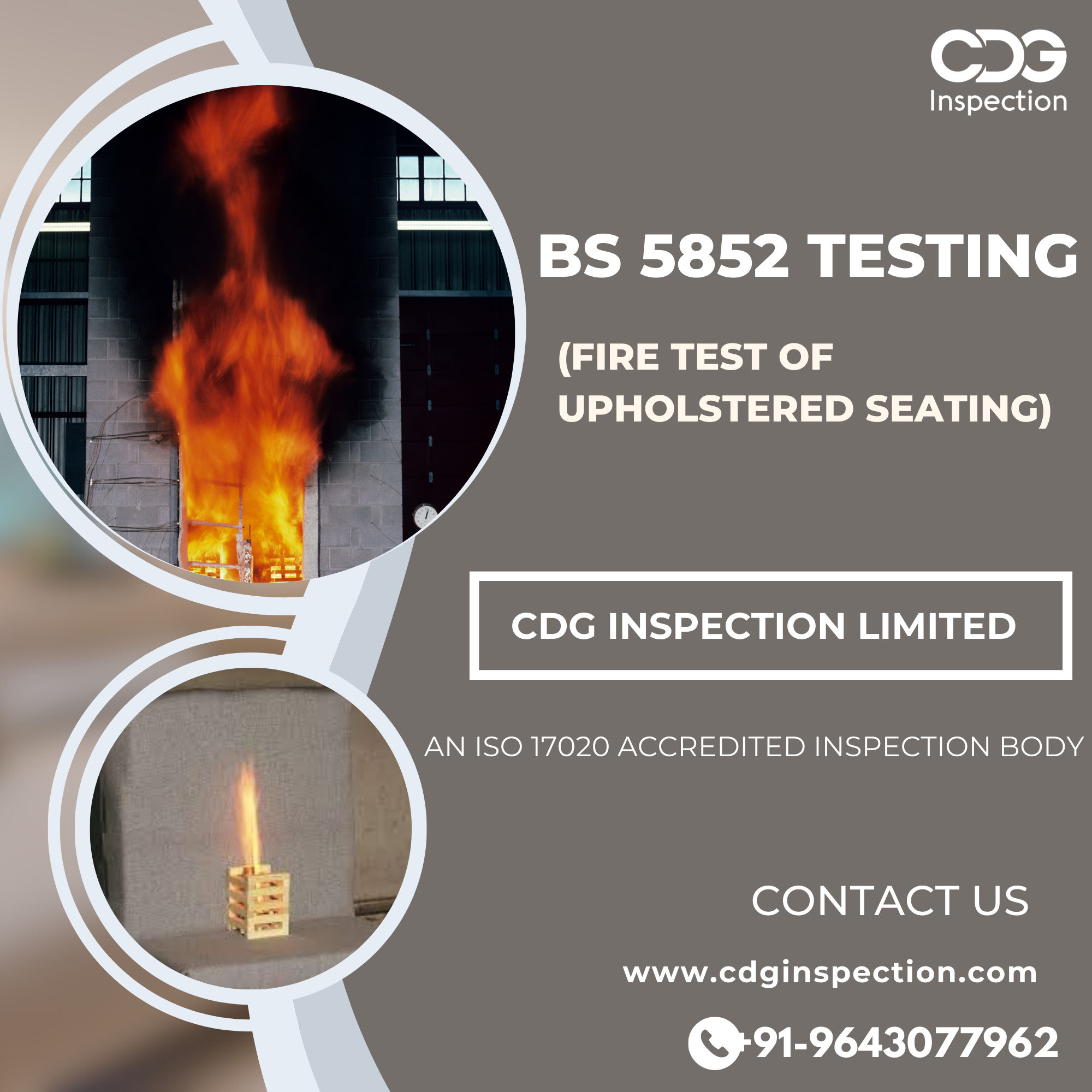
BS 5852 Testing (Fire Testing of Upholstered Furniture)
Price 50000.0 INR / Unit
Minimum Order Quantity : 1 Unit
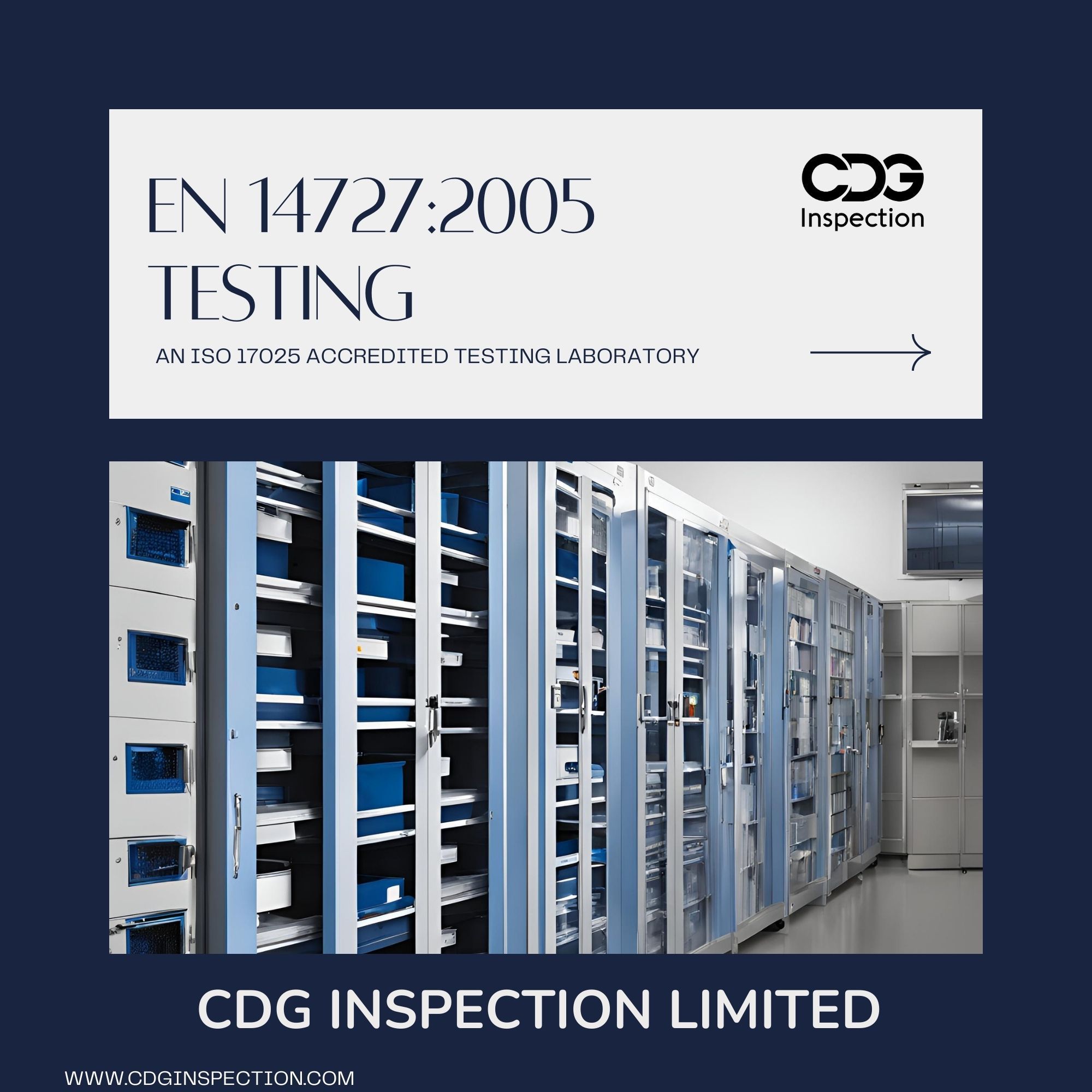
EN 14727:2005 (Storage Units for Laboratories)
Price 50000.0 INR / Unit
Minimum Order Quantity : 1 Unit

 Send Inquiry
Our Products
- Quality Inspection
- Compliance Audit
- BIFMA Testing
- Registration/CoC
- Fire Safety Audit
- Electrical Safety Audit
- Pre-Shipment Inspection
- Third Party Inspection
- C-TPAT Audit
- Ingress Protection (IP) Testing
- Food Grain Inspection
- Oil & Fats Inspection
- Raw & Refined Sugar Inspection
- Animal Feed Inspection
- Factory Compliance Audit
- Industrial Safety Audit
- Green Audit Services
- Garment Inspection Services
- Container Loading Supervision
- Workplace Safety Audit
- ISO 17712 Testing & Certification
- Social Compliance Audit
- Fire Door Inspection
- Mechanical Security Seal Inspection & Testing
- Impact Protection Rating
- Electrical Testing Services

Plot No.- 37, IMT Manesar, Gurugram - 122051, Haryana, India

Mr. A. K. Sharma
(Business Manager)
Mobile :08071792069
 Send Inquiry
 Send SMS
Developed and Managed by Infocom Network Private Limited.


